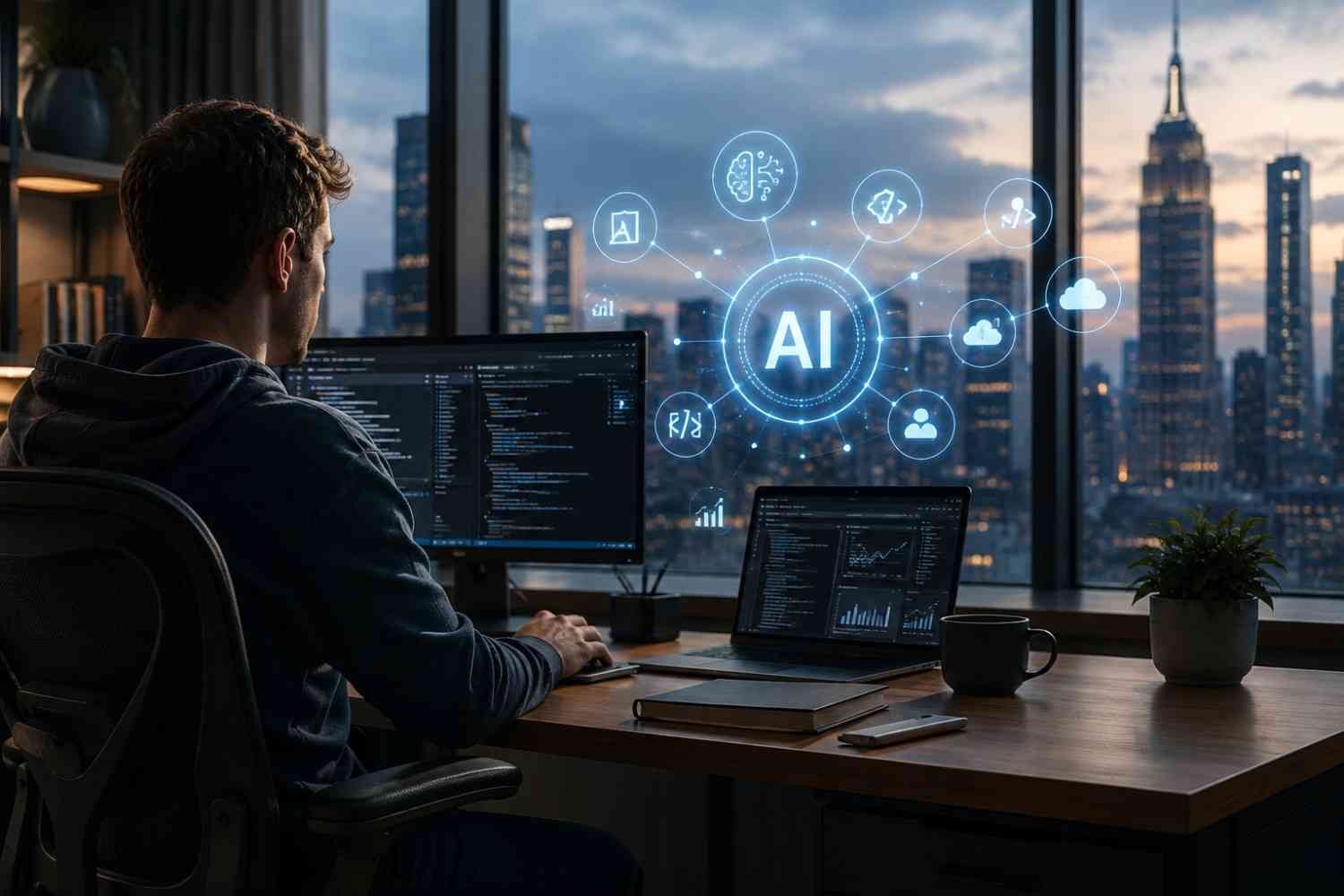
I started noticing a shift in software engineering conversations long before companies officially announced their AI strategies. Instead of debating programming languages or frameworks, developers were comparing AI coding assistants, discussing prompt quality, and figuring out how these tools fit into their daily workflow. It became clear that the biggest change wasn’t about writing less code. It was about working differently.
I also realized that many developers were asking the wrong question. Instead of wondering whether AI would replace software engineers, they were trying to understand what employers would expect from engineers in an AI-powered workplace. That perspective makes far more sense because every major technology wave has changed the profession without eliminating it.
AI Is Changing the Nature of Software Engineering

Artificial intelligence is transforming software engineering from routine code authorship to system orchestration. Instead of manually writing every line of boilerplate code, developers increasingly guide AI tools, review generated solutions, and focus on building reliable systems that solve business problems.
Modern AI assistants can generate functions, suggest fixes, explain unfamiliar code, and automate repetitive development tasks within seconds. While that improves productivity, it doesn’t remove the need for experienced engineers. Someone still has to decide whether the generated code is secure, scalable, maintainable, and appropriate for the project.
This shift places greater value on engineering judgment than simply typing syntax quickly.
The Skills Employers Value More Than Ever
As AI handles repetitive coding, hiring priorities are evolving. Companies are looking beyond programming languages and placing greater emphasis on broader technical thinking.
Developers who understand software architecture, system design, distributed applications, cloud infrastructure, and data flow often stand out because these areas require strategic decision-making that AI cannot fully replicate.
Several skills are becoming increasingly valuable:
- Systems thinking and architectural design
- Reviewing AI-generated code for bugs, security risks, and compliance
- Writing effective prompts for AI development tools
- Strong debugging and analytical problem-solving
- Clear communication and collaboration across teams
Knowing how to delegate repetitive tasks to AI is becoming just as important as knowing how to complete those tasks manually.
Human Expertise Still Drives Quality

AI can generate working code remarkably fast, but speed does not guarantee quality.
Generated output may contain hidden security vulnerabilities, inefficient logic, outdated libraries, or subtle bugs that only experienced engineers recognize. That’s why output validation has become one of the most valuable engineering skills.
Industries such as healthcare, finance, cybersecurity, and government technology depend on strict regulations, privacy standards, and business-specific requirements. Generic AI-generated solutions rarely understand those nuances without careful human oversight.
Developers with deep domain knowledge continue to provide value that extends far beyond writing code.
Daily Software Development Looks Different Today
The modern development workflow increasingly combines human expertise with AI assistance.
Many engineers now begin by describing a feature to an AI coding assistant instead of writing every function from scratch. The AI produces a draft, while the developer evaluates, improves, tests, and integrates the solution into the larger application.
This approach reduces time spent on repetitive coding while allowing engineers to concentrate on higher-impact responsibilities such as architecture, optimization, performance, and user experience.
Rather than replacing developers, AI is changing where they spend their attention.
New Career Opportunities Are Emerging
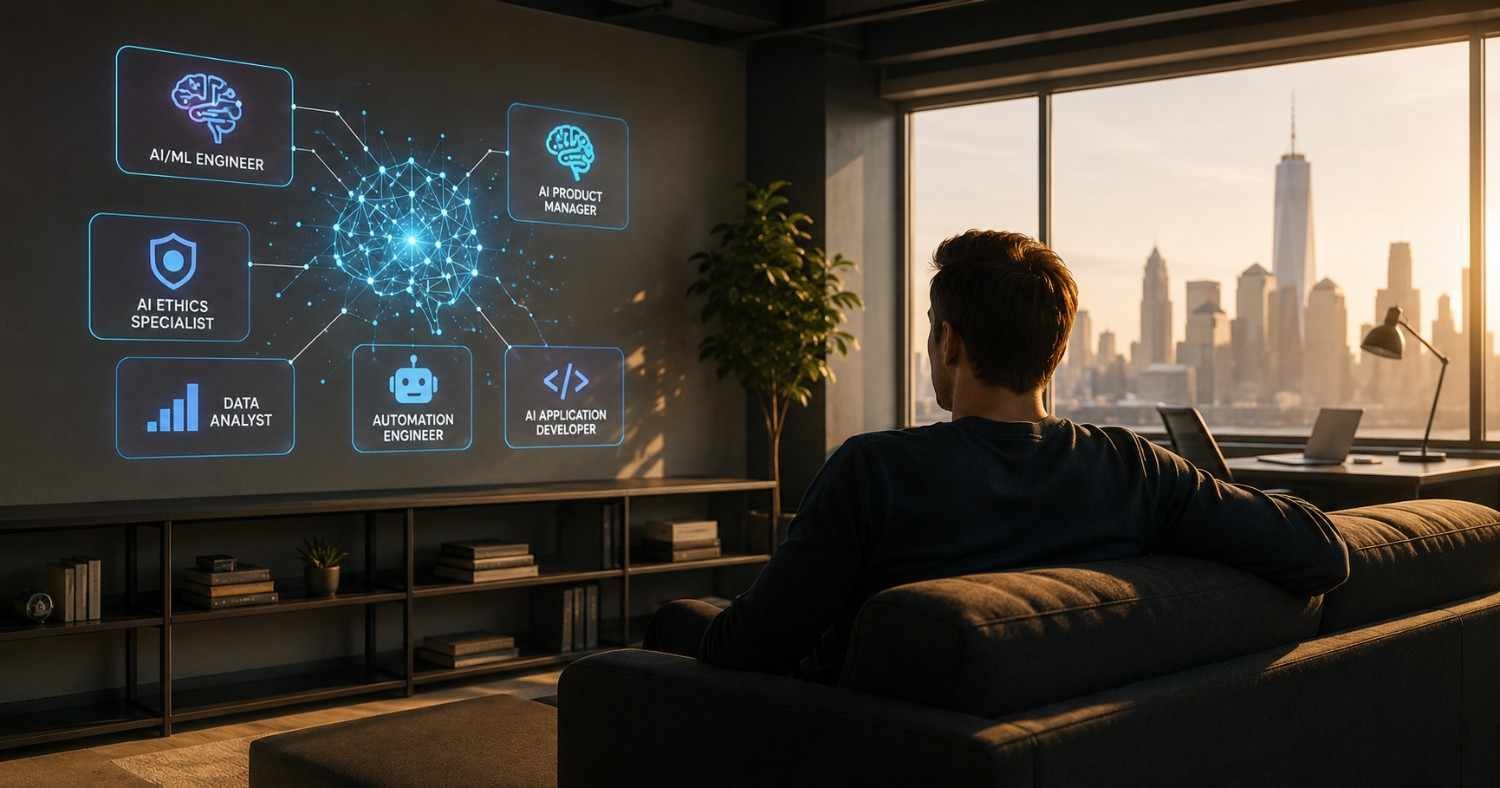
AI isn’t only changing existing jobs. It’s creating entirely new career paths within software engineering.
Organizations increasingly hire professionals responsible for coordinating AI-powered workflows, managing machine learning infrastructure, and ensuring responsible AI adoption.
Some emerging roles include:
- AI Orchestrator or AI Conductor responsible for managing multi-agent workflows and defining system guardrails.
- MLOps and Platform Engineers who maintain AI deployment pipelines, scalability, monitoring, and infrastructure.
- AI Ethics and Governance specialists who evaluate fairness, privacy, compliance, security, and responsible data usage.
These positions combine traditional software engineering principles with modern AI capabilities, opening opportunities for developers willing to expand their expertise.
How Developers Can Stay Competitive
Adapting doesn’t require abandoning traditional software engineering skills. Instead, developers should build on their existing foundation while learning how AI fits into professional workflows.
Continue strengthening computer science fundamentals, algorithms, data structures, databases, networking, and system design. Those concepts remain relevant regardless of which AI tools become popular.
At the same time, become comfortable using AI assistants as productivity tools rather than shortcuts. Learn when to trust generated code, when to question it, and when to rewrite it entirely.
Following software engineering career trends in 2026 can also help developers identify which technologies, responsibilities, and employer expectations are evolving before they become industry standards.
Developers who combine technical expertise with adaptability will remain valuable regardless of how AI continues to evolve.
FAQs: How AI Is Reshaping Software Engineering Careers Through New Skills and Roles
1. Will AI replace software engineers?
AI is more likely to automate repetitive coding tasks than replace software engineers. Human decision-making, architecture, debugging, and communication remain essential.
2. Which skills should software engineers focus on?
System design, cloud computing, AI-assisted development, security, debugging, and strong communication are becoming increasingly valuable alongside programming knowledge.
3. Are junior developers still in demand?
Yes. Employers continue hiring junior developers, but they increasingly expect candidates to understand AI tools while maintaining strong programming fundamentals.
4. Which new software engineering careers are growing because of AI?
Roles such as AI Orchestrator, MLOps Engineer, AI Platform Engineer, and AI Governance Specialist are expanding as organizations integrate AI into software development.
Why Adaptability Will Always Define Great Engineers
Every major advancement in software engineering has changed how developers work rather than eliminating the profession altogether. AI is simply the latest evolution. Engineers who embrace continuous learning, strengthen their technical foundation, and use AI thoughtfully will be better positioned for long-term success than those who resist change.
The future belongs to developers who know how to combine human judgment with intelligent automation instead of choosing one over the other.
Leave a Reply